Sewage Line Installation in Denver, CO
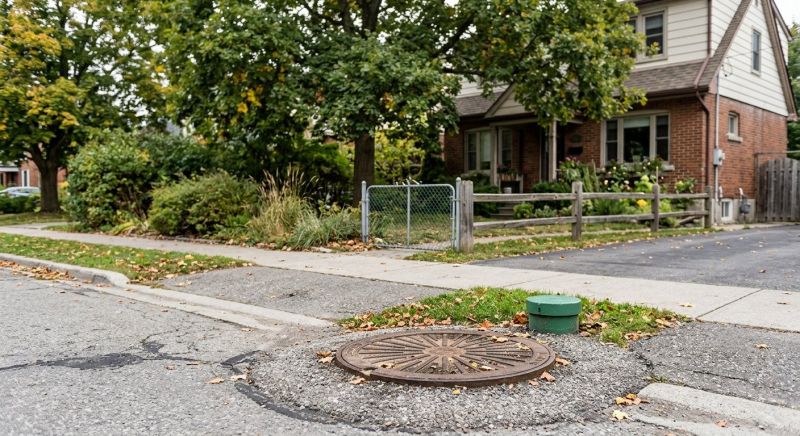
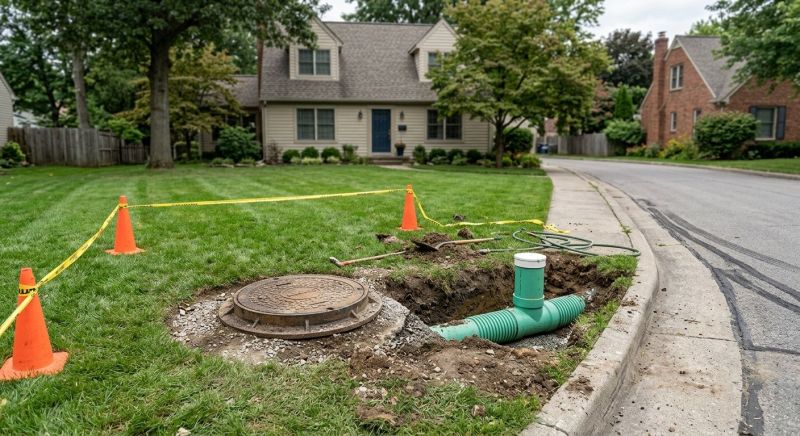
Sewage line installation services involve setting up the underground pipes that carry waste from a property to the municipal sewer system or a private septic system. These projects typically include installing new sewer lines for home additions, replacing aging or damaged pipes, or creating connections for new construction. Property owners often seek this service to ensure proper waste management, prevent leaks or backups, and meet local building codes. Understanding the scope of the project, the location of existing underground utilities, and any necessary permits are common considerations before requesting sewage line installation.
Before requesting sewage line installation, property owners should evaluate the current condition of their existing sewer system and determine the need for replacement or extension. They should also consider the layout of their property, access points for excavation, and potential disruptions during installation. Clear communication about project goals, property access, and any underground obstacles can help facilitate a smooth process. Proper planning ensures the new sewage lines are installed efficiently and function reliably for years to come.
Many property owners in Denver, CO look into Sewage Line Installation for repairs, replacements, upgrades, and appearance-related improvements.
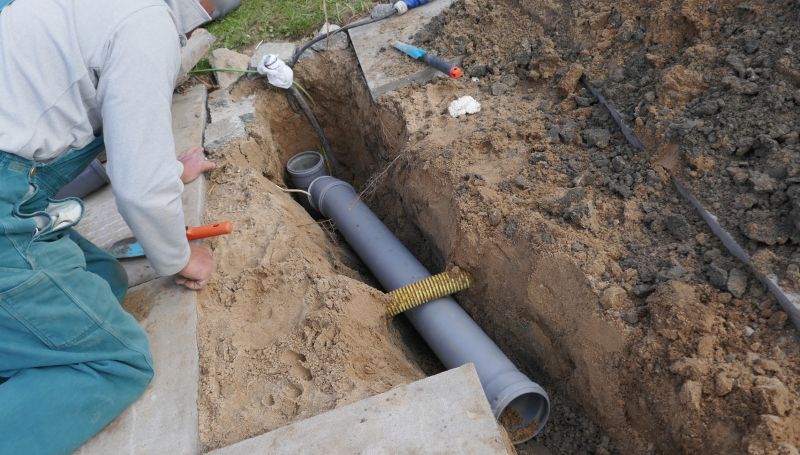
Proper Sewage Line Placement
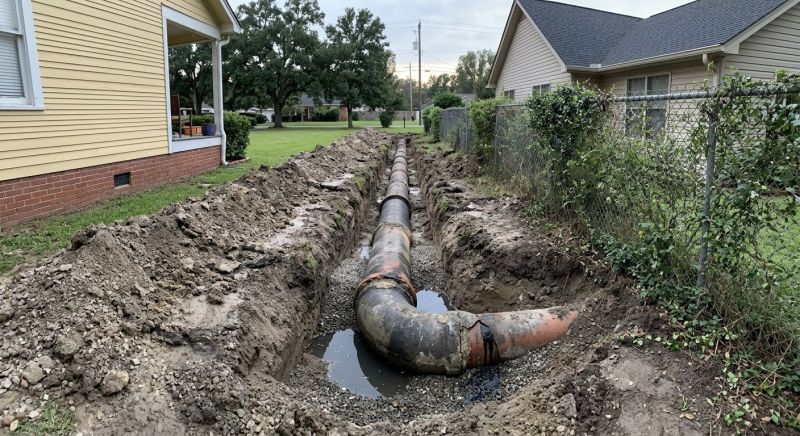
Ensuring correct installation helps prevent future drainage issues and property damage.
Material And Pipe Selection
Choosing the right materials guarantees durability and long-lasting performance for sewage systems.
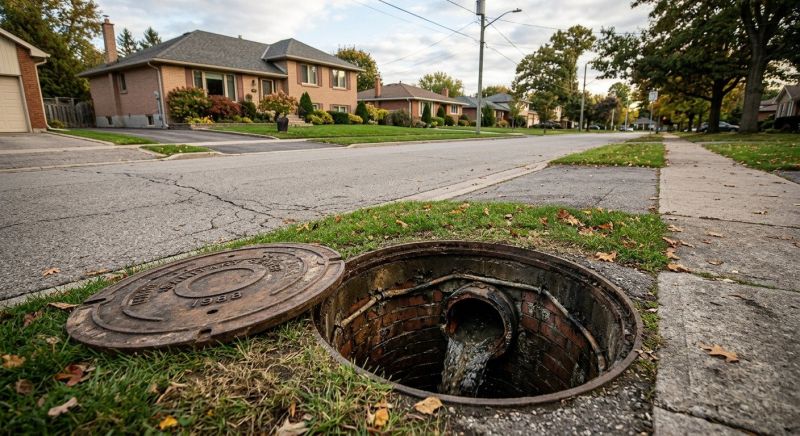
Permits And Code Compliance
Adhering to local regulations ensures safe and legal sewage line installation in denver and surrounding areas.
Sewage Line Installation in Denver, CO

Sewage line installation services involve setting up the underground pipes that carry waste from a property to the municipal sewer system or a private septic system. These projects typically include installing new sewer lines for home additions, replacing aging or damaged pipes, or creating connections for new construction. Property owners often seek this service to ensure proper waste management, prevent leaks or backups, and meet local building codes. Understanding the scope of the project, the location of existing underground utilities, and any necessary permits are common considerations before requesting sewage line installation.
Before requesting sewage line installation, property owners should evaluate the current condition of their existing sewer system and determine the need for replacement or extension. They should also consider the layout of their property, access points for excavation, and potential disruptions during installation. Clear communication about project goals, property access, and any underground obstacles can help facilitate a smooth process. Proper planning ensures the new sewage lines are installed efficiently and function reliably for years to come.
Many property owners in Denver, CO look into Sewage Line Installation for repairs, replacements, upgrades, and appearance-related improvements.
Common Sewage Line Installation Jobs
Sewage Line Installation - Installing new sewer lines for residential or commercial properties.
Residential Sewer Line Replacement - Upgrading or replacing aging or damaged sewer pipes.
Main Sewer Line Installation - Connecting a property to the municipal sewer system or installing a new main line.
Drain Line Installation - Setting up drain lines for proper waste removal from fixtures.
Septic System Connections - Installing sewer lines that connect to septic systems where municipal services are unavailable.
Underground Sewer Line Repair - Fixing leaks, blockages, or breaks in existing sewer pipes.
Sewage Line Installation Questions
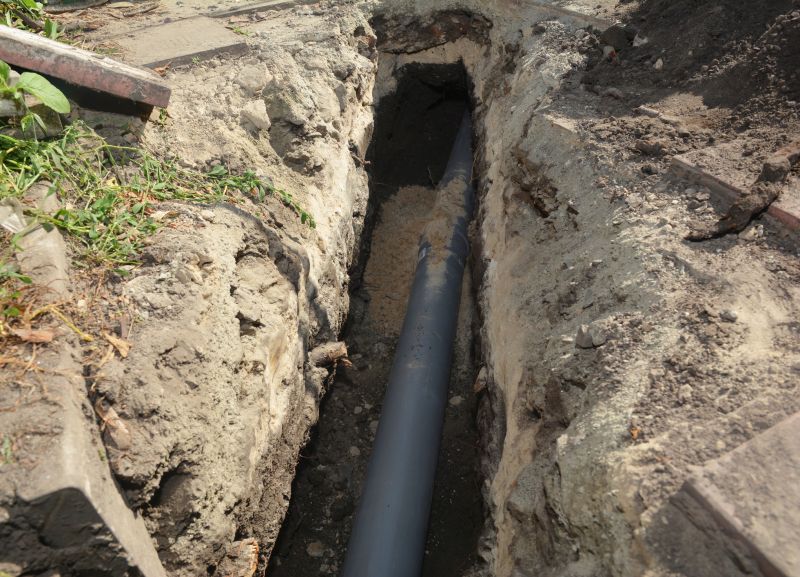
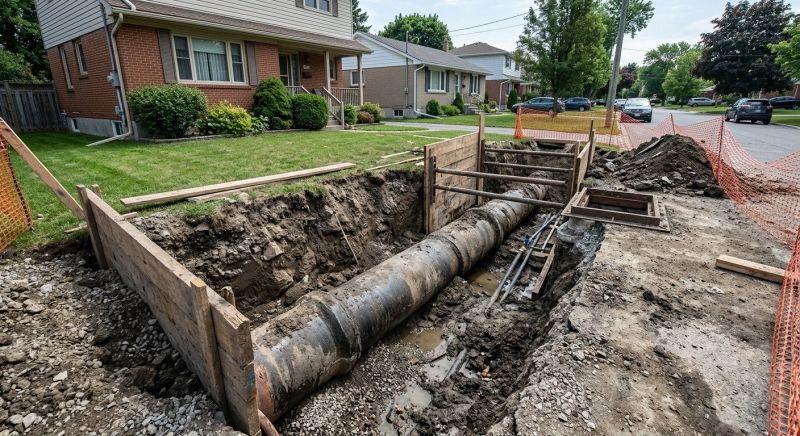
What is involved in sewage line installation? The process includes excavating to access the existing underground piping, installing new sewer lines, and ensuring proper connections and slope for drainage.
When is new sewage line installation necessary? Installation is needed when existing pipes are damaged, outdated, or when adding new plumbing fixtures or expanding property drainage systems.
Are there different types of sewage lines for residential properties? Yes, common types include PVC, cast iron, and ABS pipes, each suited for specific applications and building codes.
What should property owners know before installation? Proper planning and adherence to local codes are essential, and the work typically involves coordination with existing plumbing and underground utilities.
Request Sewage Line Installation in Denver, CO
Use the quote form on this page to share the basics of your project and request more information for the type of work you need.